
In the skilled trades, every career path looks a little different. For Paul Wedgewood, General Foreman (Piping), the journey began with curiosity, hands-on work, and the encouragement of friends already working in the field. Today, Paul helps coordinate complex construction projects and lead crews on site. But like many trades professionals, his career started at the very beginning, as an apprentice learning the fundamentals of the trade.
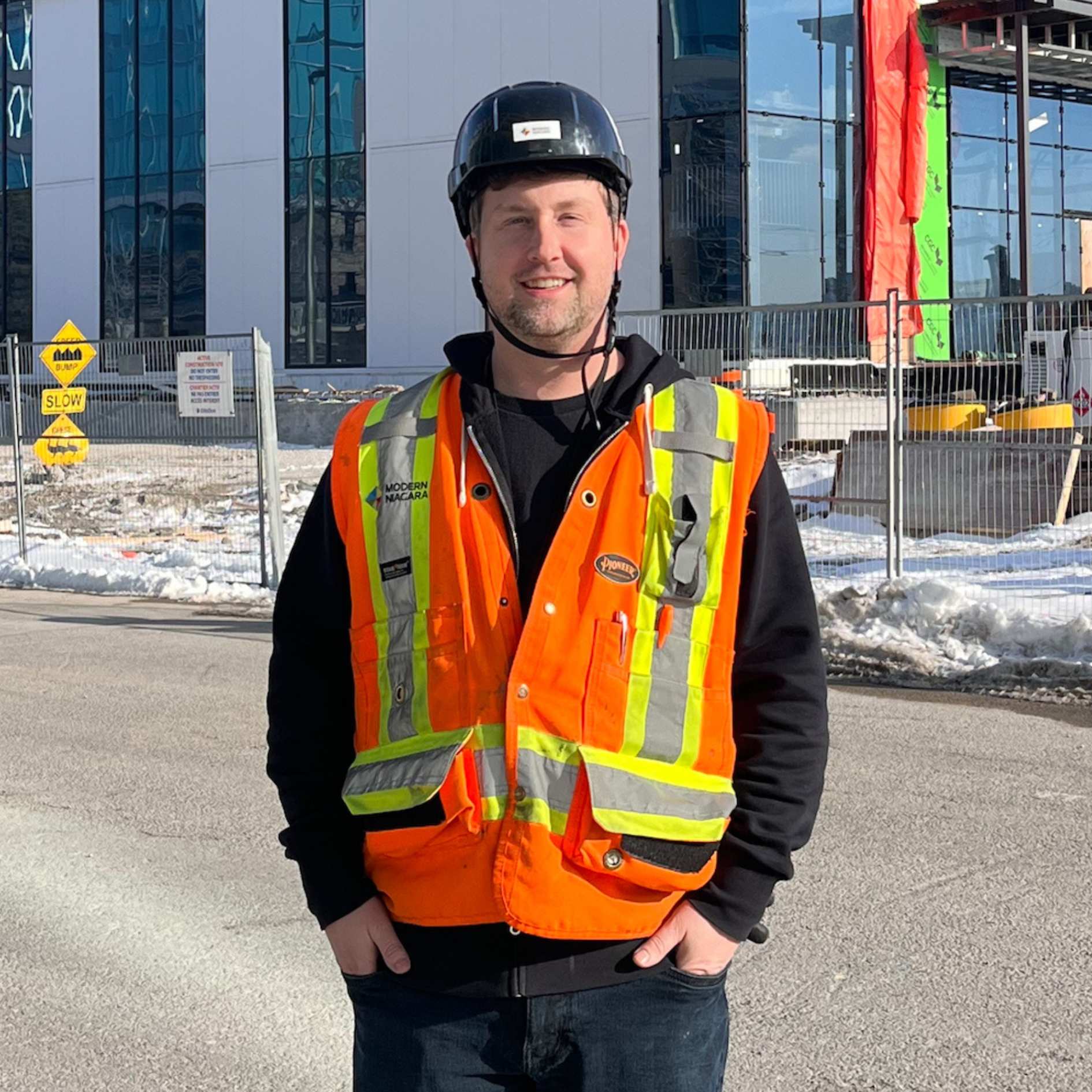 In this Q&A, Paul shares how he got started in the trades, the lessons he learned along the way, and why he believes the industry offers strong opportunities for the next generation.
What inspired you to pursue a career in the skilled trades, and how did you get started as an apprentice?
I had a couple of friends who chose trades rather than going to university or college and after I completed my degree, they mentioned UA Local 46 was doing another intake. I was struggling to find a job and decided to apply.
As a kid I loved building things with Lego, staying active and using my hands. The thought of being stuck at a desk all day didn’t interest me. As a tradesperson each day is different. Each job has a different set of challenges, and you’re always learning.
Can you walk us through your journey from apprentice to General Foreperson? What were some key milestones along the way?
As an apprentice I was taught to stay one step ahead of the person I was working with — unlock the job boxes, organize the cart, make sure we have material organized for the day, pay attention, know where things are located, ask questions and if you aren’t busy clean up. There are a lot of opportunities in the construction industry, but you need to be earnest.
I worked with numerous people over the years and tried to learn something from everyone. Different foremen operate in their own way and it’s up to you to figure out what works best. The amazing part of our union and company is that it’s all about passing on knowledge, supporting the next generation and working as a team. Making mistakes along the way is part of the process. I learn from them and make changes on the next job to try and improve over time.
Transitioning to a general foreman was something I wanted and pushed for. The jobs have become bigger and coordinating with project management, schedules and material flow is another set of challenges. Planning is critical to the success of the project, but you also need a strong supporting crew. I try to build relationships with workers through communication and a sound safety culture. Speaking out and ensuring the workers have what they need is of the utmost importance.
What skills or qualities do you think helped you succeed and advance in your career?
Work ethic, problem solving, critical thinking and adaptability helped me succeed the most in my career so far. Showing up prepared for work with a plan is essential. Each job has different timelines, personnel, logistics and requirements, and clearly outlining expectations is crucial. Staying respectful and calm only helps boost team morale and overall project success.
What advice would you give to someone considering a career in the skilled trades today?
I would tell persons to take the leap of faith and join the trades. An aging workforce and infrastructure advancements have created a lot of demand for skilled tradespeople. At the end of a project, it is very rewarding to look back and be proud of the work you did to create something.
Lives will be saved in a hospital, data centers help support technology and the AI movement, a recreation center is a place where kids make memories with their families, a condo building provides much needed housing, and an arena or stadium upgrade is enjoyed by thousands of people.
A career in the skilled trades means gaining experience and building a strong foundation that can lead to many different pathways. It can lead to diverse opportunities, including project management, estimating, leadership roles, virtual design, and sales.
———
Paul Wedgewood’s journey reinforces a powerful truth: the skilled trades offer more than employment. They offer purpose, progress, and the chance to help shape the spaces and infrastructure that communities rely on every day. Interested in building a career in the skilled trades? Learn more and explore current opportunities by visiting: https://modernniagara.com/skilled-trades-recruitment/
